
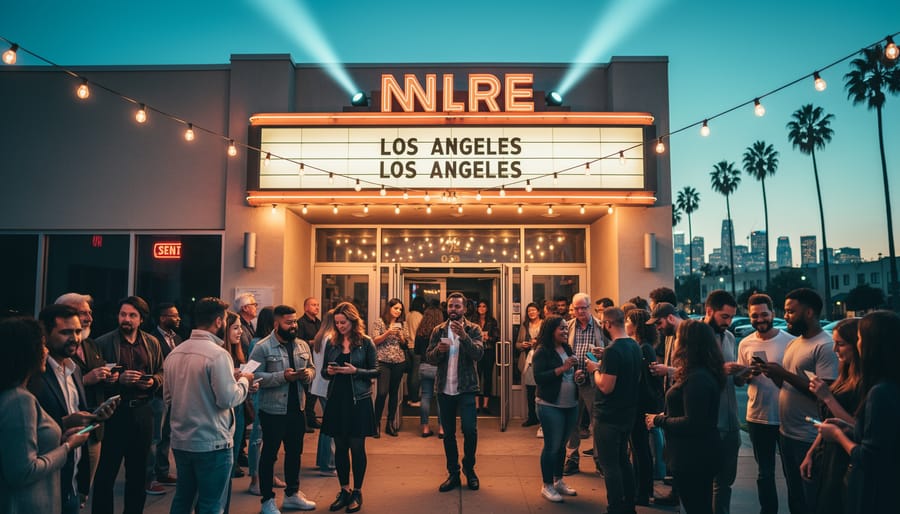
Los Angeles has built one of North America’s most dynamic theatre ecosystems, and understanding what makes these companies thrive offers invaluable lessons for theatre professionals everywhere. The city’s hundreds of intimate venues and ambitious companies have mastered the art of building audiences in an oversaturated entertainment market, developing promotional strategies that translate across borders and contexts.
Study how LA’s top-tier companies like Center Theatre Group and The Geffen Playhouse leverage partnerships with film and television talent to generate media attention, creating buzz that extends far beyond traditional theatre audiences. Examine the Taper Too program’s approach to accessibility pricing and community engagement, which has sustained subscriber bases even during economic downturns. Analyze how smaller companies such as East West Players and Playwrights’ Arena carve distinct niches through culturally specific programming and authentic community connections rather than competing directly with larger institutions.
The competitive density of LA theatre forces companies to differentiate aggressively. Each organization develops signature programming styles, from The Fountain Theatre’s focus on socially relevant work to A Noise Within’s classical repertory model. This specialization creates loyal audience segments and attracts targeted sponsorship rather than diluting brand identity by attempting broad appeal.
Canadian theatre professionals can adapt these territorial strategies to their own markets. The principles of clear artistic identity, strategic partnerships beyond traditional theatre circles, and tiered accessibility programming prove effective whether you’re operating in a city with five companies or fifty. LA’s theatre landscape demonstrates that sustained success comes not from mimicking competitors but from building authentic community relationships and delivering consistently on a defined artistic promise that resonates with specific audiences willing to champion your work.

The LA Theatre Landscape: What Makes It Different
Competition and Innovation in Entertainment’s Capital
Los Angeles theatre companies operate in entertainment’s most competitive landscape, where billion-dollar studios and streaming giants dominate the cultural conversation. Yet this challenging environment has sparked remarkable innovation in how stage productions capture attention and build audiences.
Rather than competing directly with screen entertainment, savvy LA theatre companies have learned to complement and collaborate with the film and television industries. Many leverage their proximity to Hollywood talent, casting recognizable actors in intimate stage productions that offer audiences something screens cannot replicate—the immediacy of live performance. This strategic positioning transforms potential disadvantages into unique selling propositions.
The promotional strategies emerging from Los Angeles offer valuable lessons for theatre communities worldwide, including Canadian companies. LA theatres excel at digital storytelling, using social media platforms to create behind-the-scenes narratives that build anticipation and connection. They’ve mastered the art of creating shareable moments, understanding that in an attention economy, word-of-mouth begins online.
Many companies have also embraced hybrid models, streaming select performances or creating digital content that extends their reach beyond physical attendance. This approach acknowledges audience habits shaped by screen entertainment while maintaining theatre’s essential live experience.
Perhaps most importantly, LA theatre companies demonstrate how scarcity creates value. By emphasizing limited runs and the unrepeatable nature of each performance, they counter the on-demand culture of streaming services. This strategy resonates across borders, reminding all theatre professionals that our medium’s greatest strength lies not in competing with convenience, but in celebrating presence, community, and the irreplaceable magic of shared live experiences.
Diversity as a Promotional Asset
Los Angeles theatre companies have transformed their cultural diversity and vibrant LGBTQ theatre presence into powerful promotional assets that resonate with both local and international audiences. This strategic approach offers valuable lessons for theatre communities worldwide, including Canadian companies looking to strengthen their own audience engagement.
The city’s multicultural landscape has enabled companies to create programming that reflects the lived experiences of diverse communities. Latino Theatre Company, Cornerstone Theater Company, and East West Players showcase how embracing cultural specificity attracts dedicated audiences while fostering broader conversations about representation. These companies don’t simply program diverse content—they build their entire brand identities around authentic cultural storytelling, creating loyal communities that actively participate in their promotional efforts through word-of-mouth and social media engagement.
LA’s LGBTQ theatre scene, including companies like Celebration Theatre and Highway 81 Productions, demonstrates how inclusive programming becomes a differentiator in competitive markets. By centering queer stories and artists, these organizations have cultivated passionate audiences who champion their work beyond traditional marketing channels. This authenticity-driven approach translates into sustainable audience growth and increased visibility.
For theatre professionals exploring these promotional strategies, the LA model reveals an important truth: diversity isn’t merely a checkbox exercise but a foundational element that shapes everything from artistic programming to marketing messaging. When companies genuinely reflect their communities’ complexity, they create natural promotional momentum that feels organic rather than transactional. This community-centered approach, applicable across borders, demonstrates how cultural authenticity becomes the most compelling promotional tool available to modern theatre companies.
Leading LA Theatre Companies and Their Promotional Strategies
Center Theatre Group: Institutional Scale Promotion
As Los Angeles’ largest non-profit theatre organization, Center Theatre Group demonstrates how institutional scale can amplify promotional reach through strategic partnerships and multi-channel engagement. Operating three distinct venues—the Mark Taper Forum, Ahmanson Theatre, and Kirk Douglas Theatre—the company leverages its size to secure corporate sponsorships and foundation grants that smaller companies might find challenging to access.
Their digital strategy exemplifies modern theatrical promotion, utilizing Instagram Stories for behind-the-scenes content, YouTube for production trailers, and targeted email campaigns that segment audiences by genre preference. This approach allows them to personalize messaging while maintaining broad visibility across demographics.
Community outreach forms the backbone of their promotional philosophy. Through programs like Block Party and student matinees, Center Theatre Group builds grassroots support that translates into word-of-mouth marketing and long-term audience development. Their media partnerships with local news outlets and cultural organizations extend their reach beyond traditional theatre audiences.
For Canadian theatre professionals, Center Theatre Group’s model illustrates how institutional resources can be channeled into cohesive promotional strategies that balance artistic integrity with accessibility, creating sustainable audience engagement across diverse communities while maintaining high production standards.
The Fountain Theatre: Mission-Driven Marketing
The Fountain Theatre in Los Angeles demonstrates how values-driven programming can become a company’s most powerful promotional asset. Founded in 1990, this intimate 80-seat venue has built its reputation on producing works that champion social justice, human rights, and LGBTQ stories, proving that authentic advocacy resonates deeply with audiences seeking meaningful theatrical experiences.
Rather than treating social justice as a marketing add-on, The Fountain integrates these values into every aspect of their operations, from season selection to community partnerships. Their promotional materials consistently highlight collaborations with organizations like GLAAD and The Trevor Project, creating a clear identity that attracts both artists and patrons who share these commitments.
This mission-driven approach offers valuable insights for theatre companies across North America. By clearly articulating core values and programming choices that reflect those principles, companies can cultivate loyal audiences who become advocates themselves. The Fountain’s success demonstrates that authentic commitment to community issues creates organic promotional opportunities through partnerships, media coverage, and word-of-mouth recommendations. For Canadian theatre professionals navigating their own promotional strategies, this model shows how centering social purpose alongside artistic excellence can differentiate a company in competitive markets while building meaningful connections with diverse communities.
Smaller Companies Making Big Impact
While major LA theatre companies command substantial resources, smaller collectives are redefining promotional success through creativity and community engagement. These emerging companies offer valuable lessons for theatre professionals everywhere, including those navigating Canada’s diverse theatre landscape.
A Better Part Theatre Company demonstrates how targeted social media storytelling can build devoted audiences without large marketing budgets. They create behind-the-scenes content series featuring artists discussing their creative processes, transforming each production into an ongoing narrative that keeps followers engaged between shows. Their Instagram stories regularly feature cast members sharing personal connections to scripts, generating authentic conversations that translate into ticket sales.
The Vagrancy excels at collaborative promotion, partnering with local businesses and arts organizations to expand their reach organically. By hosting pre-show events at neighbourhood cafes and post-show discussions at community centers, they’ve woven themselves into LA’s cultural fabric. This grassroots approach creates multiple entry points for new audiences while fostering genuine relationships with their communities.
Playwrights’ Arena has mastered the art of mission-driven marketing, positioning their work as essential cultural conversations rather than mere entertainment. Their promotional materials emphasize how each production addresses contemporary social issues, attracting audiences who value theatre’s capacity for meaningful dialogue. They’ve built partnerships with advocacy organizations, creating cross-promotional opportunities that benefit both theatrical and social causes.
Sacred Fools Theater Company leverages their venue’s intimate atmosphere as a marketing asset, promoting the unique audience-performer connection that small spaces provide. Their messaging emphasizes exclusivity and immediacy, appealing to theatregoers seeking authentic, unmediated experiences.
These companies prove that promotional impact isn’t solely determined by budget size. Through authentic storytelling, strategic partnerships, mission clarity, and venue optimization, smaller theatre companies can create devoted audiences and sustainable growth. Canadian theatre professionals can adapt these approaches while maintaining focus on collaboration and community building that strengthens our own theatrical ecosystems.
Cross-Border Lessons: What Canadian Theatre Can Learn from LA
Digital-First Audience Building
Los Angeles theatre companies have pioneered digital-first strategies that theatre professionals worldwide can adapt and implement. These approaches prove especially valuable for companies operating in competitive markets or seeking to expand beyond geographic limitations.
Social media platforms serve as primary audience-building tools for LA companies. The Geffen Playhouse and Center Theatre Group maintain active Instagram presences, sharing behind-the-scenes rehearsal footage, actor interviews, and interactive polls that transform passive followers into engaged community members. These companies post consistently, creating conversation rather than simply broadcasting show information. Their approach demonstrates that social media succeeds when it prioritizes relationship-building over ticket sales.
Streaming initiatives have revolutionized accessibility for LA companies. Many organizations now offer hybrid models, presenting live performances while simultaneously streaming to remote audiences. This dual approach not only generates additional revenue streams but also builds international followings. Theatre professionals in Canada and beyond can learn from this model, recognizing that digital access doesn’t replace live theatre but rather complements and expands its reach.
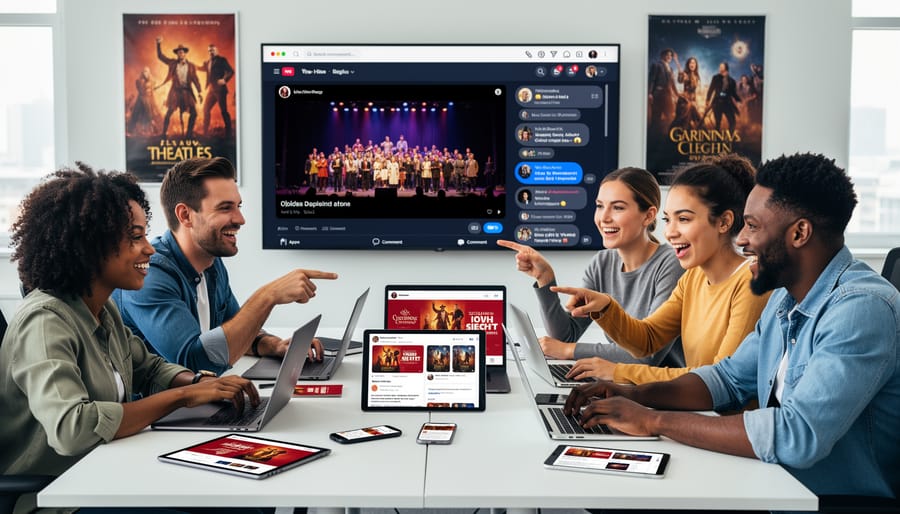
Online communities represent another powerful tool. LA companies cultivate digital spaces where audiences discuss productions, participate in talkbacks via video conferencing, and access exclusive content. These virtual gathering places mirror the community-building that happens in physical theatre lobbies, extending conversation beyond performance nights. For companies seeking to strengthen audience relationships, these digital community strategies offer practical, cost-effective solutions that transcend borders while maintaining the collaborative spirit essential to theatre.
Community Partnership Models
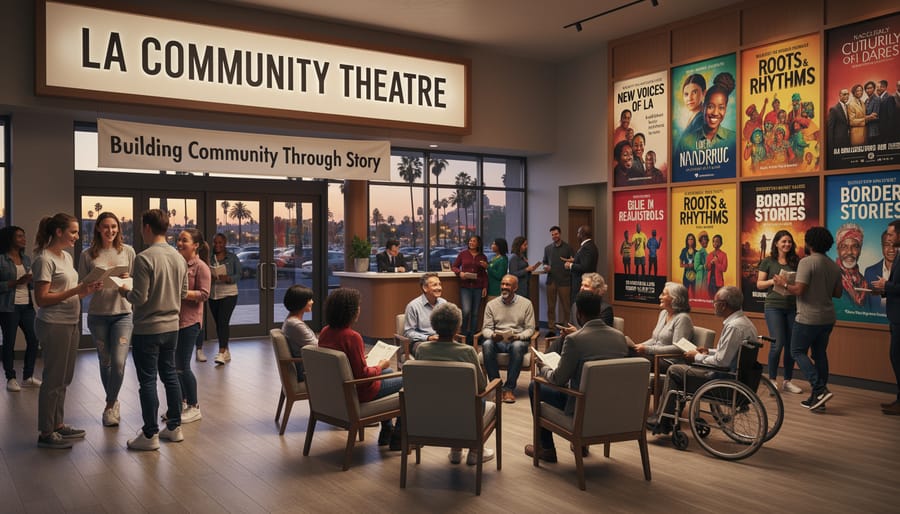
Los Angeles theatre companies have pioneered innovative partnership models that extend far beyond traditional marketing, creating meaningful connections with diverse community organizations. These collaborative approaches offer valuable lessons for theatre professionals across North America, including Canadian companies seeking to deepen their community engagement.
Leading LA companies regularly partner with LGBTQ organizations to present Pride-themed productions and host community conversations in theatre spaces. The Fountain Theatre, for instance, has established long-term relationships with local advocacy groups, offering discounted tickets and post-show discussions that transform performances into community gatherings. These partnerships create authentic touchpoints with audiences who might not otherwise engage with theatre.
Social justice collaborations have become equally significant, with companies like Cornerstone Theater Company embedding themselves within neighborhood organizations to develop original works addressing housing, immigration, and equity issues. This approach positions theatre as a catalyst for community dialogue rather than simply entertainment.
Educational partnerships demonstrate another powerful model. LA companies frequently collaborate with universities and high schools, offering student matinees, artist residencies, and curriculum tie-ins. These relationships cultivate future audiences while providing immediate promotional reach through institutional networks.
The success of these LA models stems from viewing partnerships as reciprocal relationships rather than marketing transactions. Organizations share resources, audiences, and missions, creating sustainable promotional ecosystems. For Canadian theatre companies, adapting these collaborative frameworks while honoring local community needs can expand reach while reinforcing theatre’s role as a vital community hub. The key lies in authentic commitment rather than superficial sponsorship arrangements.
Storytelling as Promotional Tool
Los Angeles theatre companies excel at weaving compelling narratives that extend beyond their stage productions. These organizations understand that their mission story is as crucial as their artistic programming when attracting audiences and sponsors. Companies like Center Theatre Group and the Geffen Playhouse craft origin stories emphasizing community impact, artistic innovation, and social relevance. They share behind-the-scenes glimpses of rehearsals, playwright development processes, and cast interviews that humanize their work. This narrative approach creates emotional investment before audiences even purchase tickets. Many LA theatres also highlight their commitment to diverse voices and experimental work, positioning themselves as cultural change-makers rather than mere entertainment venues. By documenting their journey through newsletters, social media storytelling, and video content, these companies build loyal communities who become ambassadors for their mission, demonstrating how authentic storytelling transforms casual theatregoers into passionate supporters and long-term sponsors.
Building International Connections: LA-Canada Theatre Collaboration
Cross-Border Festival Participation
International festivals offer transformative opportunities for theatre companies to expand their reach beyond regional boundaries. Los Angeles companies have long recognized platforms like the Edinburgh Fringe Festival and Festival d’Avignon as career-defining launching pads, leveraging these events to attract international producers, critics, and audiences who can amplify their work globally.
Canadian theatre companies can adopt similar strategic approaches when participating in festivals. The key lies in preparation: creating compelling press kits, securing quality accommodation for extended runs, and building relationships with festival programmers months in advance. Los Angeles companies excel at pre-festival buzz generation through social media campaigns and targeted outreach to international theatre journalists.
Consider partnering with other companies for shared festival costs and cross-promotional opportunities. Many LA theatre artists collaborate with Canadian counterparts to split accommodation expenses and create networking events that benefit both parties. These relationships often extend beyond single festivals, fostering ongoing international collaborations.
Festival participation also provides invaluable market research. Observing how Los Angeles companies adapt their productions for international audiences offers lessons in cultural translation and universal storytelling. Document audience responses, collect contact information from interested presenters, and follow up systematically after returning home. The investment in festival participation pays dividends through touring opportunities, international co-productions, and enhanced credibility that attracts sponsors seeking companies with proven global appeal.

Artist Exchange Programs as Promotion
Artist exchange programs between Los Angeles and Canadian theatre companies create powerful promotional opportunities that benefit both markets. These collaborative initiatives allow talent to cross borders, bringing fresh perspectives and diverse storytelling approaches to new audiences. When LA-based artists work with Canadian companies, they bring Hollywood’s creative energy and production expertise, while Canadian artists introduce nuanced cultural narratives and distinctive performance styles to American stages.
These exchanges generate natural media attention, as journalists on both sides of the border find compelling stories in cross-cultural collaborations. Productions featuring mixed casts from different countries attract broader audiences curious about international partnerships, effectively doubling promotional reach. Social media campaigns highlighting these exchanges resonate particularly well, as followers enjoy behind-the-scenes glimpses of artists navigating new creative environments.
For Canadian theatre companies, partnerships with Los Angeles organizations offer valuable exposure to industry professionals, potential investors, and international theatre networks. The LA connection provides credibility and opens doors to larger markets. Meanwhile, talent sharing agreements reduce costs while enriching artistic quality, allowing smaller companies to access experienced performers and directors who might otherwise be financially out of reach. These programs demonstrate that strategic collaboration serves as both artistic enrichment and smart marketing, creating buzz that elevates all participating organizations.
Practical Promotion Tactics Worth Adopting
Maximizing Social Media Engagement
Los Angeles theatre companies have mastered the art of authentic digital connection, offering valuable lessons for theatre professionals everywhere. Many LA companies prioritize behind-the-scenes content that humanizes the creative process. Center Theatre Group regularly shares rehearsal footage and artist interviews, creating intimacy with audiences who crave deeper understanding of theatrical creation. The Geffen Playhouse excels at Instagram Stories featuring quick polls and Q&A sessions with cast members, transforming passive followers into active community participants.
Successful LA companies also embrace user-generated content by encouraging audiences to share their theatre experiences with dedicated hashtags. This approach builds organic community while expanding reach beyond traditional marketing channels. The Pasadena Playhouse demonstrates this through post-show photo contests that celebrate audience members alongside productions.
Additionally, LA companies strategically time their social media posts around cultural moments and local events, maintaining relevance within their community. They balance promotional content with educational posts about theatre history, production design, and artistic processes. This resource-oriented approach establishes companies as cultural hubs rather than simple ticket vendors, fostering loyalty that extends beyond individual productions and creating sustained engagement that benefits the entire theatre ecosystem.
Creating Sponsor-Worthy Narratives
Successful theatre companies in Los Angeles excel at communicating their unique value proposition to potential sponsors and funding partners. This same principle applies equally to Canadian theatre organizations seeking to strengthen their financial foundation. The key lies in developing a compelling narrative that connects your company’s mission with measurable community impact.
Start by clearly articulating what makes your theatre company distinctive. Whether you champion underrepresented voices, pioneer innovative production techniques, or serve specific communities, your narrative should demonstrate how funding translates into tangible cultural value. Los Angeles companies often quantify their impact through audience demographics, educational program reach, and artist development metrics, providing concrete evidence of community engagement.
Frame your mission around partnership opportunities rather than simple donations. Sponsors increasingly seek authentic collaborations where their values align with your artistic vision. Highlight how supporting your theatre creates meaningful connections with engaged audiences who value cultural experiences.
Document your successes through compelling stories that showcase transformation, both on stage and within your community. Include testimonials from artists, audience members, and previous partners. Los Angeles theatre companies demonstrate that authentic storytelling about your organization’s journey resonates more powerfully than generic funding requests, creating lasting relationships that sustain artistic excellence across seasons.
Building Loyal Audience Communities
Los Angeles theatre companies have mastered the art of building dedicated communities through innovative membership programs that keep audiences returning season after season. Many offer tiered subscription packages with benefits like priority seating, exclusive meet-and-greet events with artists, and early access to new productions. These programs transform casual theatregoers into invested community members who champion productions through word-of-mouth promotion.
Successful LA companies also cultivate belonging through post-show discussions, workshops, and social media engagement that extends the theatrical experience beyond opening night. By creating opportunities for audience participation in the creative process—such as script readings or behind-the-scenes content—theatres foster emotional connections that drive sustained visibility. These community-building approaches prove particularly valuable for smaller companies competing in crowded markets, demonstrating that loyal audiences become your most effective promotional partners. Theatre professionals can adapt these strategies by prioritizing authentic engagement and recognizing that building community requires consistent, meaningful interaction rather than transactional relationships.
Los Angeles’s competitive theatre landscape offers valuable lessons that extend far beyond its geographical boundaries. The promotional strategies, community-building approaches, and innovative marketing techniques employed by LA theatre companies provide a roadmap for theatre professionals across North America, including those working within Canada’s vibrant theatre ecosystem.
What makes these insights particularly relevant is their adaptability. While LA’s market operates at a different scale with distinct challenges, the fundamental principles of visibility, audience engagement, and strategic collaboration remain universal. Canadian theatre professionals can examine how LA companies leverage social media storytelling, build strategic partnerships, and create compelling narratives around their productions, then thoughtfully adapt these approaches to their own communities and resources.
The importance of visibility cannot be overstated in today’s crowded cultural marketplace. Whether in Los Angeles or Toronto, Vancouver or Montreal, theatre companies must actively communicate their unique value to diverse audiences. This means going beyond traditional promotional methods to embrace digital platforms, foster meaningful community connections, and position theatre as an essential cultural experience rather than an occasional entertainment option.
Collaboration emerges as another critical theme worth emphasizing. LA’s theatre scene thrives partly because companies recognize that rising tides lift all boats. This collaborative spirit, where companies support rather than merely compete with one another, strengthens entire theatre communities. Canadian theatre professionals can cultivate similar ecosystems by sharing resources, cross-promoting productions, and viewing fellow companies as allies in the broader mission of keeping live performance vital and accessible.
Ultimately, strengthening theatre across North America requires both learning from successful markets and honoring local contexts. The strategies that make LA theatre companies successful offer inspiration, but Canadian theatre’s distinct character, values, and audiences deserve approaches that respect regional identity while embracing proven promotional innovations. By combining these elements thoughtfully, theatre professionals can build more resilient, visible, and connected theatre communities that serve artists and audiences alike.