
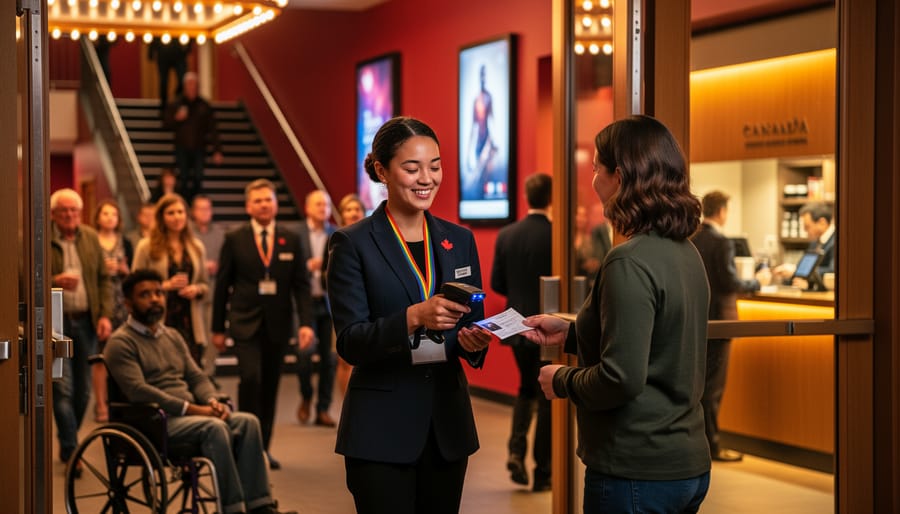
The moment the theatre doors open, front of house staff become the essential bridge between stage and spectator, transforming a simple performance into a complete theatrical experience. While actors command the spotlight and directors shape artistic vision, front of house teams orchestrate everything audiences encounter from arrival to final curtain call—managing box office operations, ensuring accessible seating, creating welcoming environments, and handling countless details that determine whether patrons return.
In Canadian theatres from Vancouver’s Presentation House Theatre to intimate black box venues across the country, front of house roles encompass box office managers, ushers, house managers, concession staff, and guest services coordinators who collectively shape audience perception and satisfaction. These positions require unique combinations of customer service excellence, crisis management skills, cultural sensitivity, and genuine passion for live performance. For LGBTQ+ artists and audiences, inclusive front of house practices—from gender-neutral washrooms to pronoun-respecting staff training—signal that theatre spaces genuinely welcome all community members.
Understanding front of house operations matters whether you’re considering a theatre career, managing a venue, or simply curious about the mechanisms that make professional productions run seamlessly. This comprehensive guide explores how front of house teams function, what career opportunities exist within this vital sector, and why these often-invisible professionals deserve recognition as essential contributors to Canada’s vibrant theatre ecology. Their work ensures that the magic doesn’t just happen onstage—it begins the moment audiences arrive.
What Front of House Actually Means
When the curtain rises and performers take the stage, there’s an entire world of activity that happens beyond what audiences see in the performance itself. Front of house (FOH) in theatre refers to all the public-facing areas and operations where patrons experience everything except the performance—from the moment they arrive at the venue until they leave. This encompasses the box office, lobby spaces, auditorium seating areas, concessions, and all the staff who ensure audiences feel welcomed, informed, and comfortable throughout their visit.
Understanding front of house operations provides valuable theatre industry insights into how venues create memorable experiences that extend far beyond what happens on stage. Unlike back of house operations, which include backstage areas, dressing rooms, technical booths, and administrative offices where the artistic and production work happens, FOH focuses exclusively on the patron experience. While stage managers coordinate performances and technical directors oversee lighting and sound, front of house staff orchestrate the audience journey.
- House Manager
- The person responsible for overseeing all front of house operations during performances, ensuring audience safety, comfort, and addressing any patron concerns that arise.
- Ushers
- Staff members who greet patrons, scan tickets, direct audiences to their seats, and assist with accessibility needs throughout the venue.
- Box Office
- The ticketing hub where patrons purchase, exchange, or pick up tickets, either in person, by phone, or through online systems managed by box office staff.
- House Operations
- The coordinated activities that manage audience flow, timing of house opening and closing, intermission procedures, and emergency protocols.
- Lobby
- The central gathering space where audiences congregate before performances and during intermission, often featuring concessions, merchandise, and promotional displays.
The front of house team serves as the vital bridge between a production’s artistic vision and the audience’s ability to fully receive it. When FOH operations run smoothly, patrons can focus entirely on the performance rather than logistical concerns. This seamless experience doesn’t happen by accident—it requires trained professionals who understand hospitality, crowd management, accessibility, and crisis response, all while maintaining the welcoming atmosphere that makes theatre such a cherished communal art form.
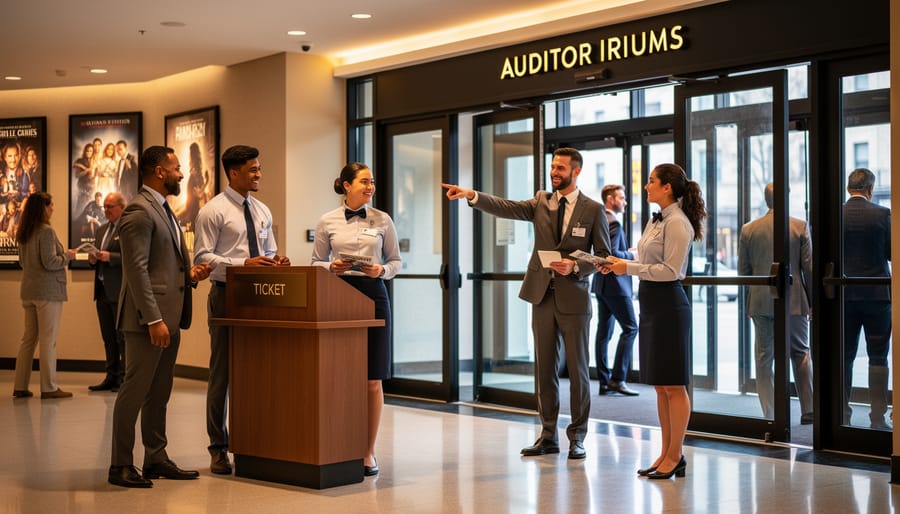
The Essential Roles That Make Your Theatre Visit Seamless
Box Office and Patron Services
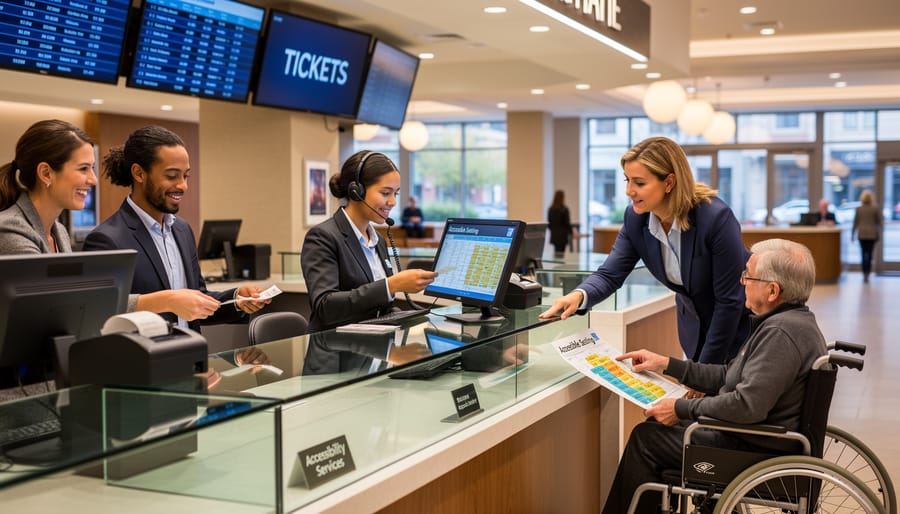
The box office serves as the vital nerve center of front of house operations, functioning as the primary connection point between the theatre and its patrons. This bustling hub manages everything from initial ticket inquiries to final seat assignments, creating the foundation for positive audience experiences long before curtain call.
Box office staff handle diverse responsibilities that extend far beyond simple ticket transactions. They process reservations through multiple channels including phone, online platforms, and in-person visits, while maintaining accurate seating charts and inventory management. These professionals become experts in their venue’s layout, pricing structures, and show schedules, enabling them to guide patrons toward the best options for their needs and budgets.
Accessibility services represent a crucial component of modern box office operations. Staff coordinate wheelchair-accessible seating, arrange for assisted listening devices, and accommodate service animals. Many Canadian theatres have enhanced their protocols to ensure LGBTQ+ patrons feel welcomed and respected, including options for chosen names on will-call reservations and gender-neutral washroom information.
The box office team also manages subscription packages, group sales, and special promotional offers that help sustain theatre operations. They field questions about parking, dining options, show content, and running times, serving as knowledgeable ambassadors for both the production and the venue.
During performances, box office personnel handle late arrivals, resolve seating disputes, and process last-minute ticket purchases. Their combination of customer service skills, technical proficiency with ticketing software, and genuine enthusiasm for theatre makes them indispensable to successful front of house operations.
House Management and Ushers
House management and ushers form the vital on-the-ground presence that transforms a theatre space into a welcoming, safe environment for audiences. These dedicated team members are often the first and last faces patrons see, making their role essential in shaping the overall theatre experience.
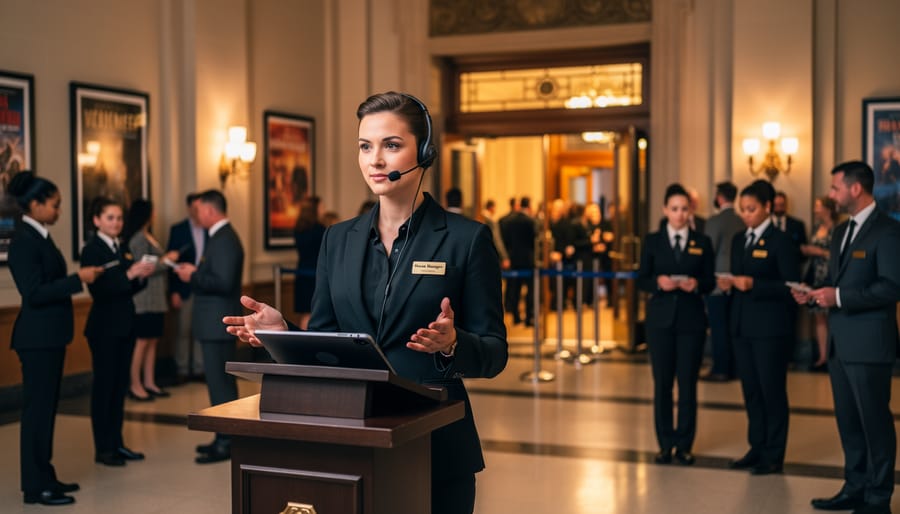
House managers coordinate all front of house activities during performances, serving as the central point of contact between audiences, performers, and technical staff. They oversee everything from pre-show preparations to emergency protocols, ensuring smooth operations throughout each event. Their responsibilities include managing staff schedules, addressing patron concerns, and making critical decisions about timing, accessibility accommodations, and safety matters.
Ushers work directly with audiences, guiding patrons to their seats, distributing programs, and maintaining a calm, organized atmosphere in the theatre. Beyond simply showing people to their places, skilled ushers read the room, identifying patrons who may need extra assistance, whether due to mobility concerns, visual impairments, or unfamiliarity with theatre etiquette. They’re trained in crowd management techniques, fire safety procedures, and conflict resolution, prepared to handle everything from medical emergencies to managing latecomers without disrupting the performance.
In Canadian theatres, these teams often reflect the communities they serve, with many venues prioritizing diverse hiring practices to ensure all patrons feel represented and welcomed. House management positions offer excellent entry points into professional theatre careers, providing comprehensive understanding of venue operations while developing invaluable interpersonal and crisis management skills that serve theatre professionals throughout their careers.
Front of House Coordinator/Manager
At the heart of every successful theatre’s front of house operations stands the Front of House Coordinator or Manager, a pivotal leadership role that bridges the artistic vision with audience experience. This position carries the responsibility of orchestrating every element that shapes how patrons experience a production before the curtain rises and after it falls.
The FOH Coordinator oversees the entire front of house team, from ushers and box office staff to concession workers and venue attendants. Their duties extend far beyond simple supervision—they develop comprehensive training programs that ensure staff members understand not only their specific tasks but also the broader mission of creating welcoming, inclusive spaces. In Canadian theatres, this increasingly means training staff in accessibility protocols, cultural sensitivity, and creating affirming environments for diverse audiences, including LGBTQ+ patrons and those with varying accessibility needs.
Emergency preparedness forms a critical component of this role. The FOH Manager develops and implements safety protocols, conducts regular drills, and ensures all staff can respond effectively to medical emergencies, evacuations, or unexpected disruptions. They maintain communication systems and coordinate with security personnel to protect both audiences and staff.
Perhaps most importantly, this position serves as the vital liaison between artistic teams and operational departments. The FOH Manager communicates house management needs to production teams, relays technical requirements to box office systems, and ensures that the artistic vision translates into a seamless audience experience. They analyze patron feedback, track attendance patterns, and identify opportunities to enhance service quality, making them instrumental in a theatre’s ongoing success and community connection.
Creating Inclusive and Welcoming Spaces
Canadian theatre companies are increasingly recognizing that the front of house experience sets the tone for inclusivity before the curtain even rises. Modern FOH operations extend far beyond traditional hospitality—they represent a commitment to ensuring every patron feels welcomed, respected, and able to fully participate in the theatrical experience, regardless of their identity, ability, or background.
Progressive theatres across Canada are implementing comprehensive accessibility measures that align with Canadian accessibility laws while often exceeding minimum requirements. This includes physical accommodations like wheelchair-accessible seating with companion options, assistive listening devices, and audio description services for patrons with visual impairments. Many venues now offer sensory-friendly performances with adjusted lighting and sound levels, creating safe spaces for neurodivergent audience members and families with young children.
LGBTQ+ inclusion has become central to FOH design and operations. Forward-thinking venues feature gender-neutral washrooms clearly marked and easily accessible throughout the building. Staff training programs emphasize the importance of using inclusive language, respecting pronouns, and creating environments where all patrons feel safe expressing themselves authentically. Some theatres have implemented name-based will-call systems that allow patrons to provide their preferred names rather than requiring legal identification that may not reflect their gender identity.
Best practices for inclusive FOH operations include:
- Providing gender-neutral and family washrooms prominently located throughout the venue
- Training all FOH staff in accessibility protocols, cultural sensitivity, and de-escalation techniques
- Offering sensory-friendly performances with adjusted technical elements and quiet spaces
- Implementing flexible ticket exchange policies for patrons with disabilities or chronic conditions
- Ensuring multilingual signage and translation services reflect community demographics
- Creating pay-what-you-can programs to reduce economic barriers to access
Cultural sensitivity extends to understanding the diverse communities theatres serve. FOH teams in multicultural urban centres often include multilingual staff members who can communicate effectively with various cultural groups. Some venues consult with Indigenous elders and community leaders to ensure respectful protocols when presenting Indigenous stories, including land acknowledgments and culturally appropriate welcome practices.
This holistic approach to inclusive FOH operations recognizes that accessibility and equity are not afterthoughts but fundamental aspects of exceptional theatrical hospitality, enriching the experience for all patrons while actively dismantling barriers that have historically excluded marginalized communities from participating in the arts.
The Art of Managing the Unexpected
No two nights in theatre are identical, and front of house teams must be prepared to handle anything that comes their way. While standard procedures guide most interactions, it’s the unexpected moments that truly test an FOH team’s professionalism and composure.
Medical emergencies rank among the most critical situations FOH staff encounter. From patrons experiencing anxiety attacks to serious cardiac events, house managers and ushers must respond swiftly while minimizing disruption to other audience members. Canadian venues typically ensure multiple staff members hold current first aid and CPR certifications, with clear protocols for when to pause a performance and how to coordinate with emergency services. The key is maintaining calm authority—reassuring the affected patron while discreetly managing the situation.
Technical delays present another common challenge. When lighting malfunctions or an actor falls ill minutes before curtain, FOH teams become the face of the theatre’s response. They must communicate transparently with waiting patrons, manage expectations about delayed start times, and process refund requests with grace and efficiency. These moments require both empathy and clear decision-making authority, often with limited information from backstage.
Late arrivals create a delicate balance between accommodating patrons and respecting the artistic integrity of the production. Many Canadian theatres implement strict late seating policies, holding latecomers until natural breaks in the performance. FOH staff must enforce these rules while managing frustrated patrons who may have fought traffic or transit delays. The skill lies in firm but compassionate communication.
Disruptive patrons—whether intoxicated, using phones during performances, or creating disturbances—require tactful intervention. Experienced FOH teams learn to read situations quickly, determining when a quiet word suffices and when security assistance becomes necessary. The goal remains protecting the experience for all audience members while treating everyone with dignity.
These scenarios underscore why FOH roles demand more than customer service skills. They require crisis management abilities, emotional intelligence, and the capacity to make judgment calls under pressure—all while maintaining the welcoming atmosphere that makes theatre special.
Breaking Into Front of House Work
If you’re drawn to the world of theatre but prefer working directly with audiences rather than onstage or backstage, front of house positions offer an excellent entry point into the industry. FOH roles are often more accessible than other theatre positions, making them ideal for students, career changers, and theatre enthusiasts looking to contribute to professional theatre operations.
Most entry-level FOH positions require minimal formal qualifications. A genuine enthusiasm for theatre, strong people skills, and reliability are often the most important prerequisites. Many Canadian theatres appreciate candidates who demonstrate customer service experience, even from retail or hospitality backgrounds. Bilingual abilities, particularly English and French, can be advantageous in many regions, while understanding accessibility needs and inclusive practices increasingly matters to contemporary theatre organizations.
To successfully pursue FOH work, consider following these steps:
- Research local theatres in your area, from large professional venues to community playhouses, and review their websites for employment or volunteer opportunities.
- Develop customer service skills through workshops, online courses, or relevant work experience that demonstrates your ability to manage diverse audiences gracefully.
- Attend performances at various venues to understand different operational styles and make connections with current FOH staff who can offer insights.
- Start with volunteer positions at festivals, community theatres, or seasonal productions to gain practical experience and build your resume.
- Join theatre industry associations or online communities where job postings, training opportunities, and networking events are regularly shared.
Volunteering serves as a particularly valuable pathway into FOH work. Many Canadian theatre festivals and smaller companies rely on volunteers for ushering and box office support, providing hands-on experience while building industry connections. These positions often lead to paid part-time work, then full-time opportunities as you demonstrate reliability and capability.
Career progression typically moves from usher or ticket seller to senior usher or lead box office staff, then to house manager or box office manager positions. Some FOH professionals advance into patron services management, development roles working with donors, or broader administrative positions. The skills you develop—customer relations, conflict resolution, event coordination, and understanding audience demographics—prove valuable throughout the arts sector and beyond, making FOH experience a solid foundation for various career paths.
Why Front of House Matters More Than You Think
The front of house experience shapes audience perceptions long before the curtain rises and lingers well after the final bow. While brilliant performances and innovative staging rightfully capture headlines, the FOH team quietly determines whether patrons return, recommend the show to friends, or become season subscribers. This often-overlooked aspect of theatre operations carries extraordinary weight in an industry where arts audience data shows that word-of-mouth recommendations remain the most powerful marketing tool.
Consider this common scenario: a small community theatre stages a modest but heartfelt production. The performance itself might be uneven, yet audiences leave glowing because the ushers greeted them warmly, the concession volunteers remembered their intermission drink orders, and the house manager personally thanked them for attending. These patrons become ambassadors, sharing their positive experience and encouraging others to support the venue. Conversely, even the most critically acclaimed production can suffer when audiences encounter indifferent staff, confusing wayfinding, or accessibility barriers that make them feel unwelcome.
The financial implications extend beyond single ticket sales. Patron loyalty builds sustainable revenue streams through subscriptions, donations, and corporate sponsorships. For theatre companies navigating visibility challenges and tight budgets, excellent FOH service transforms one-time attendees into committed supporters who invest in the organization’s future.
Front of house staff also serve as crucial intermediaries between artistic vision and public reception. They field questions, manage expectations, and create the welcoming atmosphere that allows audiences to fully engage with challenging or experimental work. When patrons feel valued and comfortable, they’re more willing to take artistic risks alongside the creators.
In Canada’s diverse theatre landscape, where companies range from major urban centres to regional community groups, FOH excellence levels the playing field. It costs relatively little to train staff in genuine hospitality, yet the returns compound over seasons, building the audience base that sustains artistic ambition and cultural impact.
Theatre transforms from performance into experience at the front of house. While actors, directors, and designers create the art onstage, FOH professionals craft the essential human connections that allow audiences to fully receive it. These individuals are artists in their own right, shaping emotional landscapes through hospitality, accessibility, and genuine care.
The collaborative nature of theatre extends far beyond the rehearsal hall. Box office staff who remember a patron’s seating preference, ushers who welcome nervous first-time theatregoers, and house managers who orchestrate seamless transitions between worlds—each contributes vital brushstrokes to the complete theatrical canvas. In the North American theatre landscape, particularly within Canada’s diverse communities, front of house teams serve as cultural ambassadors, ensuring everyone feels they belong in these shared spaces.
Without thoughtful, skilled FOH professionals, even the most brilliant production remains incomplete. They don’t simply support the show; they complete it, transforming individual ticket holders into a collective audience ready to laugh, cry, and connect. As Canadian theatre continues evolving, recognizing front of house as essential artistry—not merely service—strengthens our entire industry and deepens the transformative power we offer our communities.